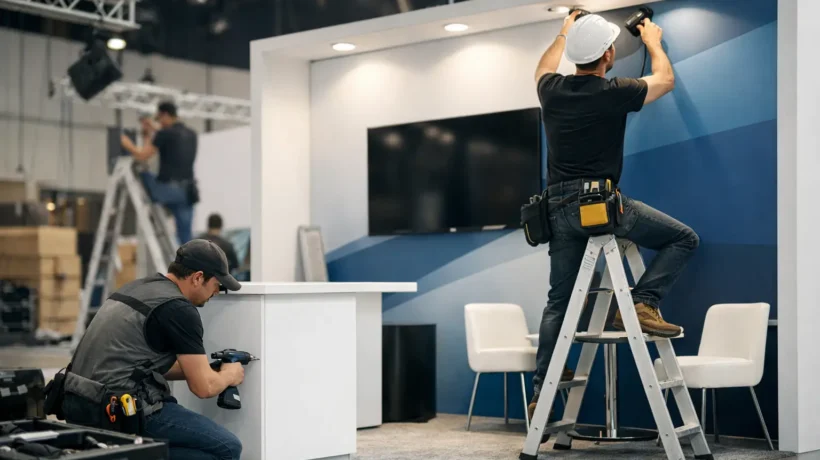
A trade show floor does not leave much room for recovery. When exhibit hall doors open, the graphics must be straight, the lighting must work, the product displays must be secure, and the space must reflect the brand your team came to represent. Trade show booth installation services turn a complex handoff of assets, schedules, labor rules, and venue requirements into a finished environment that is ready for real conversations.
For marketing and event teams, installation is not simply the final step after design and production. It is where strategy becomes physical. A strong concept can lose momentum quickly if components arrive late, installation details are missed, or the booth feels unfinished when attendees begin to arrive. The right installation partner protects the investment in the exhibit while reducing the on-site burden on your internal team.
What Trade Show Booth Installation Services Should Cover
Installation begins well before a crew enters the exhibit hall. Every event has its own move-in appointments, freight procedures, union labor requirements, electrical ordering deadlines, ceiling restrictions, and safety policies. Managing those details early helps prevent expensive surprises at the venue.
A complete service approach coordinates the work between the exhibit design, fabrication, logistics, and event teams. That may include reviewing show regulations, preparing installation plans, scheduling labor, receiving freight, supervising setup, placing graphics and furnishings, coordinating electrical and audiovisual connections, and inspecting the completed exhibit. When the show ends, the same partner can oversee dismantling, packing, shipping, and inventory updates.
The scope should match the exhibit and the program. A simple 10-by-10 rental display may need efficient assembly and graphic placement. A larger custom island exhibit may require staged installation, rigging coordination, product integration, technical checks, and detailed management across multiple vendors. The goal is the same: create a polished, functional presence without leaving your team to solve site issues on the fly.
Installation Is Where Brand Presence Meets Operations
The difference between an assembled booth and a prepared brand environment is often found in the details. A monitor positioned at the wrong height, a slightly misaligned backlit graphic, or a reception counter that blocks the natural entry path can affect how visitors experience the space. These are small issues individually, but together they can make a significant investment feel less considered.
Experienced installation teams work from the intended visitor experience as well as the technical plan. They understand that sightlines influence traffic, meeting areas need a degree of privacy, demonstration stations must support staff workflow, and graphics need to remain visible from the aisle. Their role is not to redesign the booth on the show floor. It is to faithfully bring the approved concept to life while resolving practical conditions that are only visible in the venue.
That operational discipline matters most when timelines are compressed. Exhibition halls are busy, access windows can be narrow, and a delayed freight delivery may affect every task that follows. A capable project manager keeps decisions moving, communicates clearly with the general contractor and show services, and escalates issues before they become a problem for the client team.
Why On-Site Supervision Changes the Outcome
Trade shows involve many moving parts, and not all of them are under one company’s control. Freight carriers, decorators, venue staff, electrical providers, audiovisual teams, cleaning crews, and client representatives may all have a role in getting the exhibit show-ready. Without clear ownership, details can fall between vendors.
On-site supervision gives the installation process a single point of coordination. Rather than asking a marketing manager to track down a missing crate, confirm an outlet location, or determine whether a graphic has been installed correctly, the supervisor manages those conversations and keeps the build aligned with the plan. That frees the client team to focus on sales training, customer appointments, product preparation, and event promotion.
Supervision is particularly valuable for multi-show programs. Reusing an exhibit across several events can be cost-effective, but repeat use requires consistency. Components need to be inspected after each show, replacement graphics must be identified early, and packing procedures should protect the assets for the next destination. A managed approach helps the booth arrive ready to perform again rather than gradually losing its quality from event to event.
A practical quality check before opening
Before the first attendee steps onto the floor, the installation team should complete a deliberate walkthrough. This is more than confirming that every crate is empty. It is the moment to check that graphics are clean and correctly positioned, flooring is secure, storage areas are organized, lighting supports key messages, and technology is powered and tested.
The walkthrough should also consider the people staffing the booth. Can they access stored materials easily? Is there enough room for a product demonstration? Are lead-capture devices charged and placed where conversations naturally begin? A booth earns attention through its visual impact, but it produces results through the people and interactions it supports.
Choosing the Right Level of Support
Not every exhibitor needs the same installation model. Organizations with experienced event teams may want a partner to manage labor, setup, and dismantling while their internal team directs the broader program. Other organizations need a more complete turnkey structure that includes design, production, shipping, installation, and post-show asset management.
The right choice depends on the complexity of the environment, the number of events on the calendar, and the internal resources available. If your company exhibits once or twice a year, a flexible rental paired with full installation support can create a premium presence without the ongoing responsibility of owning and storing a large exhibit. If you have an active national event schedule, custom assets and managed services may offer greater consistency and long-term efficiency.
Cost should be considered in context. Choosing the lowest setup quote can be tempting, especially when show expenses are already high. But an incomplete scope may leave the client responsible for supervision, unexpected labor time, missing equipment, or last-minute corrections. A clear proposal should define what is included, who is responsible for each task, how change orders are handled, and what support is available if an issue occurs at the venue.
Questions to Ask Before You Commit
A partner should be able to explain how they will manage the details that affect your event outcome. Ask whether they review venue and show regulations before planning the build, whether a dedicated project contact will be available during move-in, and how they coordinate with third-party vendors. Also ask how they inspect components before shipping and what happens if freight is delayed or an exhibit element is damaged.
For companies that own exhibit assets, storage and inventory processes deserve equal attention. After dismantling, you should know what was returned to storage, what needs repair, and what is ready for the next event. This information helps marketing teams make smarter budget decisions rather than discovering missing or worn components shortly before the next show.
It is also useful to discuss the staffing plan. Some booths can be installed efficiently by a small crew, while others require specialized labor, equipment, or multiple installation phases. A qualified partner will not overcomplicate a straightforward display, but they will identify risks early when the exhibit demands more coordination.
Plan Installation Early, Not After the Booth Is Built
Installation works best when it informs the design and production process from the start. Material choices affect packing and handling. Graphic systems affect how quickly a booth can be assembled. The location of power, storage, meeting areas, and technology affects both the build sequence and the visitor experience. When installation considerations are delayed, the exhibit may look compelling in a rendering yet become difficult, slow, or costly to execute on site.
FrontLine Exhibits approaches physical environments with Strategically Applied Imagination: creative concepts are developed alongside the requirements that make them work in the real world. That means a striking brand presence does not have to come at the expense of operational confidence. Design, logistics, and installation are planned as connected parts of one event experience.
The best trade show booth installation services leave your team with more than a finished structure. They create a reliable starting point for the work that matters most: welcoming the right visitors, sharing your story with clarity, and making every square foot of the show floor count.