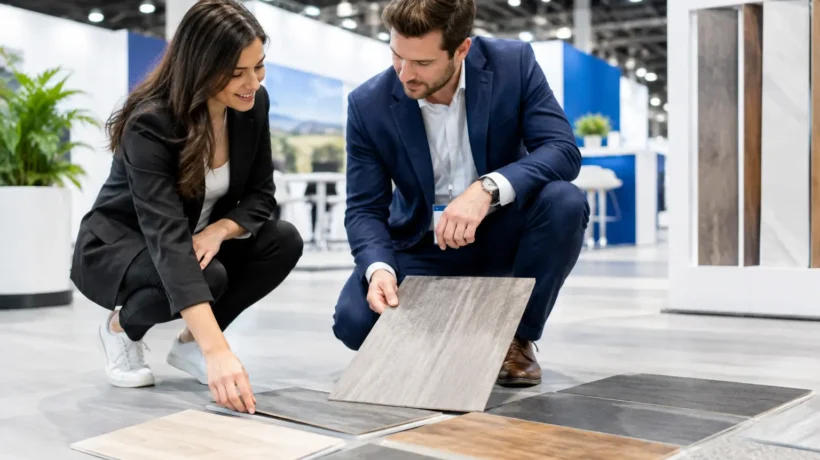
A polished exhibit can lose momentum at floor level. Visitors may notice the structure, graphics, and lighting first, but they experience the flooring with every step. The right surface helps define your footprint, supports comfortable conversations, and makes the entire environment feel intentional. Knowing how to select exhibit flooring means looking beyond color swatches to evaluate traffic, installation requirements, brand goals, and the practical demands of the event floor.
For a 10-by-10 rental space, flooring may be the visual element that separates your team from the standard aisle carpet. For a large island exhibit, it can direct visitor flow, create meeting zones, conceal power, and reinforce a premium brand position. The best choice is not always the most elaborate one. It is the one that advances the work your exhibit needs to do.
Start With the Experience You Want to Create
Before comparing carpet, vinyl, wood-look surfaces, or raised platforms, clarify the role your exhibit plays in the event strategy. Are you introducing a product, scheduling demonstrations, holding private sales conversations, or supporting a team that will be on its feet all day? Flooring should help visitors understand where to enter, pause, interact, and move on.
A hospitality-focused exhibit may benefit from a warm wood-look finish, layered textures, and a defined lounge area. A technology brand might choose clean vinyl, graphic inlays, or a raised floor that integrates monitors and power. If the goal is high-volume lead capture, a comfortable padded surface can make the booth more inviting while supporting the team through long show hours.
Think about the impression you want to leave. A floor that looks borrowed from the convention hall can make even strong exhibit elements feel temporary. A tailored flooring plan creates a more complete branded environment, especially when its colors, materials, and transitions relate to the architecture and graphics above it.
How to Select Exhibit Flooring by Traffic and Use
Foot traffic is one of the most useful decision points. A flooring material that works beautifully in a low-traffic meeting space may show wear quickly at the entrance to a busy booth. Consider how many people you expect, where they will gather, and what they will be doing while they are there.
For high-traffic aisles and demonstration areas, durability and cleanability should lead the conversation. Commercial-grade carpet tiles, vinyl, and laminate-style surfaces can hold up well while giving the exhibit a finished appearance. Darker tones and subtle patterns are often more forgiving when the show floor is busy, though they should still align with the overall brand palette.
For areas intended for longer conversations, comfort matters more than many exhibitors expect. Padded carpet or cushioned flooring can reduce fatigue for staff and guests. This is especially valuable in spaces where account teams will stand for several hours, or where product specialists will conduct repeated demos. A comfortable floor is not merely a hospitality detail. It can support better engagement and a more focused team.
Raised flooring deserves consideration when the exhibit requires electrical, data, or AV cables across the footprint. It creates a cleaner environment by routing utilities beneath the surface rather than taping them across walkways. The trade-off is greater cost, additional freight, more installation coordination, and the need for ADA-conscious access through ramps or beveled edges.
Match the Material to Your Exhibit Strategy
Carpet remains a practical choice for many trade show programs because it is comfortable, versatile, and available in a broad range of colors and textures. It can soften a space, reduce sound, and make a booth feel less industrial. Custom-cut carpet or tile patterns can also define zones without adding walls.
Vinyl and luxury vinyl tile create a crisp, modern presentation and are often easier to wipe clean than carpet. These materials work well for product displays, healthcare environments, food and beverage activations, and brands that want a retail-inspired look. They can be printed or paired with graphic elements, but quality matters. A thin or poorly installed vinyl surface can wrinkle, lift at seams, or look less refined under exhibit lighting.
Wood-look flooring brings warmth and familiarity, making it a strong fit for hospitality, home, lifestyle, and premium service brands. It can be an effective visual counterpoint to sleek monitors and aluminum structures. Real wood finishes may be appropriate for permanent interiors or select high-end installations, while lightweight wood-look options are typically more practical for recurring trade shows.
Raised platforms create dimension. They can establish a clear boundary between the aisle and the exhibit, make a small booth feel more architectural, and support integrated lighting or cable management. Yet a platform should have a purpose beyond visual impact. If it creates an awkward entry point, limits accessibility, or consumes too much budget, a flush-floor solution may serve the program better.
Interlocking foam, rubber, and specialty surfaces can be useful when the product experience calls for them. Fitness demonstrations, industrial equipment displays, sports activations, and hands-on environments may need extra traction, impact resistance, or standing comfort. These materials can be highly functional, but they should still feel connected to the brand concept rather than like an afterthought.
Plan for Color, Contrast, and Brand Presence
Flooring is a large visual field, which makes it powerful and easy to overuse. A bright branded color can create instant recognition, but a full floor in an intense hue may compete with product displays and graphics. Often, the stronger approach is to use the primary brand color selectively, such as at the entry, along a pathway, or within a graphic inlay.
Contrast can guide the visitor journey. A change in tone or material can signal where a demonstration starts, where a consultation happens, or where guests should line up. It can also improve safety by making platform edges, ramps, and transitions easier to see.
Lighting changes how every material reads. Glossy surfaces can reflect overhead fixtures and nearby LED walls, while dark carpet can absorb light and make an exhibit feel smaller if the lighting plan is limited. Requesting material samples and reviewing them alongside graphics, finishes, and lighting concepts can prevent a costly mismatch once the exhibit reaches the show floor.
Account for Logistics Before You Commit
Flooring affects more than the finished appearance. It influences freight weight, drayage, installation time, storage, cleaning, and the number of components your team or exhibit partner must manage. A material that appears cost-effective at purchase can become expensive if it requires extensive labor or cannot be reused reliably.
Ask practical questions early: How is the flooring packed? Can it ship with the exhibit? Does it require specialized installation? Will it need to be replaced after one event, or can it support a multi-show campaign? If the program travels to venues with varying booth sizes, can the layout be reconfigured without leaving visible gaps or awkward seams?
Rental flooring can be a smart choice for infrequent exhibitors, one-time activations, or programs testing a new visual direction. It reduces the burden of ownership and storage while still allowing for a polished presentation. Owned flooring often makes more sense for a repeatable exhibit program, particularly when custom sizes, branded details, or consistent booth layouts are central to the experience.
Venue rules also matter. Review show regulations for height changes, approved materials, fire ratings, and installation timing. A flooring concept that looks excellent in a rendering must still meet the operational requirements of the convention center and the event organizer.
Build Flooring Into the Budget, Not Around It
Flooring is sometimes treated as a final line item, added after the exhibit structure and graphics are approved. That approach can force compromises at the point when the environment should be coming together. Include flooring in the initial concept and budget so its cost, installation, and visual contribution can be evaluated alongside every other part of the exhibit.
A strategic exhibit partner can help weigh the real costs of each option, including freight, labor, storage, and reuse. FrontLine Exhibits approaches flooring as part of the larger physical environment, connecting visual ideas with the operational details that make them work in the field.
The floor does not need to demand attention on its own. It needs to make the right things easier to notice: your people, your products, your message, and the conversations that move business forward. When flooring supports that purpose, every step inside the booth becomes part of a more confident brand experience.