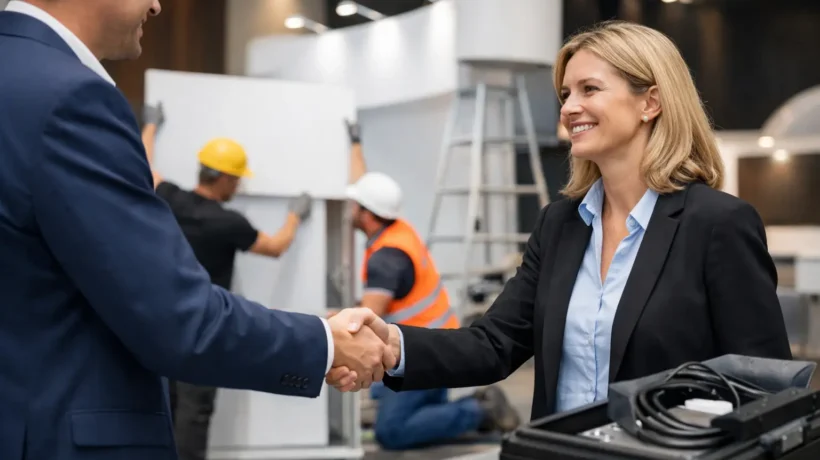
The freight deadline is approaching, the booth graphic still needs approval, sales wants a better meeting space, and someone has to confirm every shipment will reach the advance warehouse. This is the point at which turnkey trade show services become more than a convenience. They become a way to protect your brand presence, your schedule, and your team’s ability to focus on the people standing in front of the exhibit.
For marketing and event teams, exhibiting is rarely a single project. It is a chain of decisions involving strategy, exhibit design, messaging, production, labor, shipping, storage, and post-show follow-up. A missed detail anywhere in that chain can create unnecessary cost or a less-than-polished experience on the show floor. Turnkey support brings those moving parts under one coordinated plan.
What turnkey trade show services should include
A turnkey program is not simply a booth delivered to a convention center. It is a managed exhibit experience built around your objectives and carried through execution. The right scope depends on your event calendar, internal resources, and whether you own an exhibit, rent one, or need a combination of both.
At its core, a complete program begins with discovery. Before selecting structures, finishes, or graphics, your exhibit partner should understand what the event needs to accomplish. Is the priority qualified lead generation, private product demonstrations, distributor meetings, brand awareness, or a major launch? A 10-by-10 footprint intended for fast conversations requires a different approach than a 30-by-40 space designed to host scheduled presentations.
From there, turnkey trade show services typically connect concept development, custom or rental exhibit design, graphic production, project management, logistics coordination, installation and dismantle, and support during the event. For multi-show programs, the scope may also include storage, inventory tracking, refurbishment, and recommendations for adapting the same assets to different venues.
The value is not that one provider performs every task in isolation. It is that the design, budget, timeline, and operational requirements are managed as one system. The exhibit should look purposeful because it was designed with real show-floor conditions in mind, including sightlines, electrical needs, attendee flow, labor rules, and freight constraints.
Start with the outcome, not the display
A visually impressive booth can still miss the mark if it does not support the conversations your team needs to have. Before approving a concept, define what success looks like at the event and how the physical environment will help create it.
For example, a company introducing technical equipment may need a demonstration area with clear viewing angles, secure product placement, and storage for literature or samples. A professional services firm may benefit more from a welcoming front counter, semi-private conversation zones, and a concise message that gives attendees a reason to stop. A brand with a full sales calendar may need a modular environment that can expand or contract without looking like a compromise.
These choices affect cost, staffing, lead capture, and how long attendees stay engaged. They also influence whether a custom build, a strategic rental, or a hybrid solution is the better investment. FrontLine Exhibits approaches these questions through strategically applied imagination: developing a distinctive idea while staying grounded in the practical requirements that make it work.
Questions worth answering early
Your planning team should be able to answer a few basic questions before production begins. What should an attendee understand within five seconds of seeing the exhibit? What action should they take next? Which products, people, or demonstrations need the most space? And what must be reusable after this event?
Clear answers prevent a common problem: adding features late in the process because the original booth design was treated as a visual purchase rather than a working marketing environment. A stronger plan gives each element a job, whether it is drawing attention from an aisle, supporting a sales conversation, displaying product information, or making staff operations easier.
Where turnkey support saves time and cost
The most visible benefit of a turnkey approach is reduced administrative burden. Your team has fewer vendors to coordinate, fewer handoffs to monitor, and a clearer point of accountability when schedule changes occur. That matters when a show organizer revises move-in rules, a venue changes a service deadline, or a product shipment needs to be incorporated at the last minute.
It also improves budget control. Trade show costs do not end with the exhibit structure. Drayage, material handling, electrical, internet, labor, shipping, storage, graphics, flooring, furniture, and last-minute changes can shift a budget quickly. A managed plan helps expose those costs early enough to make sound decisions instead of expensive corrections.
There is a quality advantage as well. When the team managing the project understands the design intent, graphic specifications, packing plan, and installation requirements, the finished environment is more likely to match what was approved. That consistency matters for organizations exhibiting across multiple cities, where a brand should feel equally considered in Richmond, Washington, D.C., Baltimore, or South Florida.
Custom, rental, or a hybrid program?
Turnkey does not automatically mean custom-built. The most effective approach depends on how often you exhibit, the size of your spaces, and how much flexibility the program needs.
Custom exhibits can make sense for organizations with a demanding show schedule, complex demonstrations, or a highly specific branded environment. They allow for deeper integration of materials, architecture, technology, and functional details. The trade-off is a greater upfront investment and the need for an asset plan that keeps components organized, maintained, and relevant over time.
Rental exhibits are often a strong choice for infrequent exhibitors, first-time programs, one-off launches, or teams testing a new event strategy. A rental can still deliver premium visual impact when it is tailored with strong graphics, purposeful layouts, and the right furnishings. It may also reduce the burden of long-term ownership, storage, and maintenance.
A hybrid approach can provide the best of both. Reusable branded assets, product displays, or signature architectural elements can be paired with rental components sized for each show. This is especially useful when your footprint changes throughout the year. The goal is not to own more pieces. It is to have the right pieces ready for the opportunities that matter.
The operational details that shape the attendee experience
Attendees may never notice your freight plan, but they will notice its consequences. A delayed shipment, wrinkled graphic, missing counter, or crowded storage area affects how confidently your team works the floor. Turnkey execution turns operational details into part of the brand experience.
That includes a production schedule with realistic approval dates, packing methods that protect the exhibit, documentation that identifies each component, and advance planning for show services. It also includes thinking through staff needs: where coats and supplies go, how devices are charged, where literature is replenished, and how the team resets the space between conversations.
On-site support is particularly valuable for high-visibility events or teams with limited exhibit experience. A knowledgeable partner can help coordinate installation, address issues before doors open, and support a clean dismantle when the event ends. This does not remove every variable from trade show work, but it gives your team a prepared response when variables change.
How to choose a turnkey exhibit partner
Look beyond the portfolio. Strong exhibit imagery matters, but your partner should also demonstrate a disciplined process for managing deadlines, budgets, logistics, and communications. Ask how they handle changes after design approval, who owns which responsibilities, and what reporting or documentation you will receive throughout the program.
It is also useful to ask how the partner will measure whether the environment is working. While booth design alone cannot create sales, it can support metrics such as visitor traffic, scheduled meetings, demonstration participation, dwell time, qualified leads, and cost per meaningful conversation. A partner that understands these business goals will make different recommendations than one focused only on square footage and finishes.
Finally, consider the working relationship. Trade show planning is detailed work performed under deadline. You need a team that can bring ideas forward, explain trade-offs clearly, and keep the project moving without creating more meetings and decisions for your internal team.
A well-managed exhibit does more than arrive on time. It gives your people room to be present, your brand a clear reason to be remembered, and your event investment a better chance to produce the conversations that move business forward.