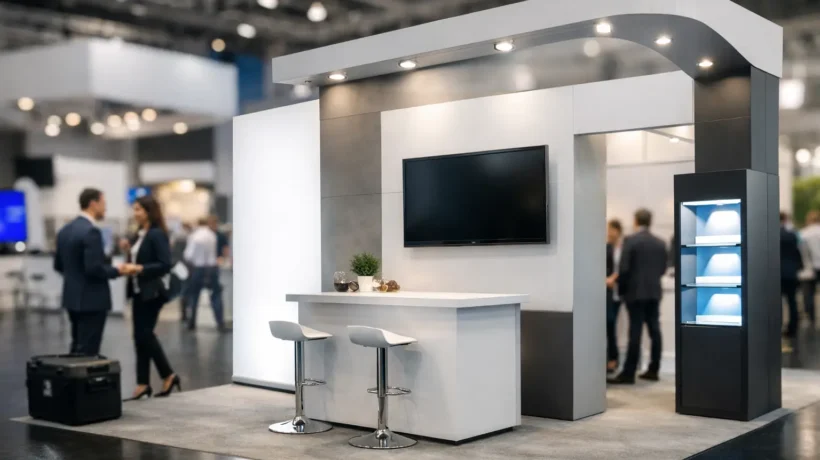
A 10-by-10 booth can carry the weight of a major sales conversation. When the exhibit looks improvised, attendees notice before a team member has a chance to introduce the brand. When it is clear, polished, and built around the way prospects move through the space, it creates confidence from the first glance.
That is why trade show display rentals are not simply a short-term substitute for owning an exhibit. For many organizations, they are a strategic way to create a strong physical presence without tying up capital in assets that may not fit next year’s show schedule, floor plan, or campaign priorities. The right rental program gives marketers room to be ambitious while keeping execution organized.
When Trade Show Display Rentals Are the Right Choice
A rental exhibit is often the best fit when exhibiting is occasional, a campaign is still evolving, or a team needs a more substantial environment than its current inventory can deliver. It can also make sense for companies testing a new market, launching a product line, attending a one-time conference, or supporting an event outside their usual region.
The primary advantage is flexibility. A rental can be configured around a specific footprint, audience, and event objective rather than forcing every program into the same owned structure. A 10-by-20 inline space at an industry conference may need an open product demonstration area and a bold graphic backdrop. A 20-by-20 island at a high-stakes annual show may call for meeting space, integrated technology, elevated signage, and several distinct conversation zones. The display should support the work your team needs to do on the floor.
Rental also reduces the burden of maintaining inventory. Ownership brings long-term value for organizations with a consistent, high-volume event calendar, but it also creates responsibilities: warehousing, repairs, shipping coordination, graphic updates, installation planning, and decisions about when an aging structure no longer represents the brand well. For an infrequent exhibitor, those demands can outweigh the benefits of owning.
That does not mean renting is always less expensive. If the same exhibit is used repeatedly with minimal change over several years, purchasing may provide a stronger return. The right decision depends on frequency, design needs, shipping patterns, storage costs, and how often the brand message changes.
Start With the Event Goal, Not the Booth Size
Teams often begin with the question, “What can we fit in this space?” A more useful question is, “What needs to happen here?” The answer shapes the environment far more effectively than the dimensions alone.
If lead generation is the priority, the exhibit needs a visible invitation to engage, clear brand messaging, and enough open space for quick conversations. If the goal is deeper sales meetings, privacy, seating, and a more deliberate guest flow matter more. Product education may require monitors, sample displays, demonstrations, or storage that keeps the space orderly during a busy show day.
A rental display should be designed as a working environment, not a backdrop. That means considering where staff will stand, how attendees will enter, where a conversation can continue without blocking traffic, and how leads will be captured. It also means deciding what should be visible from the aisle. A brand cannot explain its value proposition to every passerby, so the exhibit needs to do some of that work before a conversation begins.
Build a Clear Hierarchy of Messages
Most exhibit graphics try to say too much. A rental display may offer generous graphic surfaces, but that does not mean every panel should be filled with copy. At a distance, visitors need to recognize the brand and understand the broad reason to stop. Closer in, they can encounter product details, proof points, or a more focused call to action.
Use one primary message and support it with a small number of secondary ideas. Strong visuals, intentional color, and readable typography generally outperform dense lists of capabilities. The objective is not to tell the whole company story from the aisle. It is to create enough interest for the right person to step inside.
What a Well-Managed Rental Program Includes
The structure itself is only one part of the project. A well-executed rental program coordinates the details that determine whether a booth arrives ready for the show floor or becomes another urgent task for the event team.
A full-service approach may include concept development, exhibit design, graphic production, rental hardware, shipping, installation and dismantle coordination, and post-event logistics. Depending on the event, it can also include furniture, flooring, lighting, monitors, lead capture stations, storage, and branded accessories. The exact scope should match the internal capacity of the client team.
For a marketing manager juggling speaker deadlines, attendee outreach, staffing plans, and reporting requirements, turnkey support can be as valuable as the exhibit itself. It reduces the number of vendors to manage and gives the team a single point of accountability for the physical environment.
FrontLine Exhibits approaches rental environments as tailored campaign tools, pairing creative concepts with the project management needed to make them practical on the show floor. The goal is not merely to fill a footprint. It is to make the exhibit easier to use, easier to manage, and more effective for the people representing the brand.
Budget for More Than the Rental Structure
A rental quote can look attractive until the surrounding event expenses appear. A realistic budget accounts for the full exhibiting picture, including transportation, material handling, labor, electrical service, internet, cleaning, show services, graphics, furniture, and travel. Some costs are driven by the venue or general service contractor, not the exhibit provider, but they still affect the final investment.
Early planning provides more control. Advance ordering deadlines can reduce show-service costs, while a thoughtful design can avoid unnecessary complexity during installation. A structure that requires extensive labor, specialized rigging, or numerous electrical drops may be appropriate for a flagship event, but it may not be the best use of funds for a regional conference.
Ask for clarity around what is included and what remains a pass-through or show-direct expense. This is especially useful when comparing proposals. One scope may include graphics, packing, and project management, while another appears lower only because those elements are separate. The most useful comparison is not the rental line item. It is the likely all-in cost to deliver the experience your team expects.
Design for Change Without Starting Over
Brands change. Product messages shift, campaigns evolve, and event audiences vary by market. Rental displays offer a practical way to adapt without replacing an entire exhibit system.
The strongest rental concepts balance consistency with flexibility. Core brand elements, such as the visual identity, color palette, and overall design language, should remain recognizable. Campaign graphics, product messaging, and demonstrations can then change based on the event. This creates a connected presence across the calendar while allowing each stop to feel relevant.
For example, a company attending a national trade show and several regional events may use a larger rental environment for the flagship program, then scale the concept into smaller footprints with familiar graphic cues. Attendees who encounter the brand at multiple events receive a more coherent impression, while the field marketing team avoids treating every show as a separate creative exercise.
Plan the Visitor Experience
Even a compact rental booth benefits from zones. Create a clear entry point, reserve an area for meaningful discussions, and protect operational needs such as storage, staff belongings, and literature. When those needs are ignored, the exhibit can quickly become cluttered and difficult to navigate.
Technology should serve the conversation rather than compete with it. A monitor can support a product demo or visualize a complex service, but it needs a purpose, an appropriate viewing angle, and a plan for power and content. A touchscreen may attract attention, yet it can also occupy staff time if no one is available to guide visitors toward the next step.
Questions to Settle Before You Commit
Before approving a rental direction, align the internal team around a few practical decisions. What business outcome defines a successful show? Who is the primary audience? What must be demonstrated, discussed, or captured in the space? How many staff members will work the booth at peak times? And what follow-up process will turn conversations into measurable value afterward?
It is also wise to confirm the venue rules early. Ceiling heights, fire codes, hanging-sign regulations, move-in windows, labor requirements, and freight procedures can all influence the design and cost. A compelling concept has to work within the actual operating conditions of the event.
Give the exhibit partner complete information when possible: floor plan, booth number, exhibitor manual, brand guidelines, target audience, product priorities, budget range, and timeline. Those inputs turn a generic rental request into an exhibit strategy built for the event at hand.
The most effective rental display does more than look polished under convention-center lights. It gives your team a place to start better conversations, represent the brand with confidence, and focus on the opportunity in front of them instead of the details behind them.