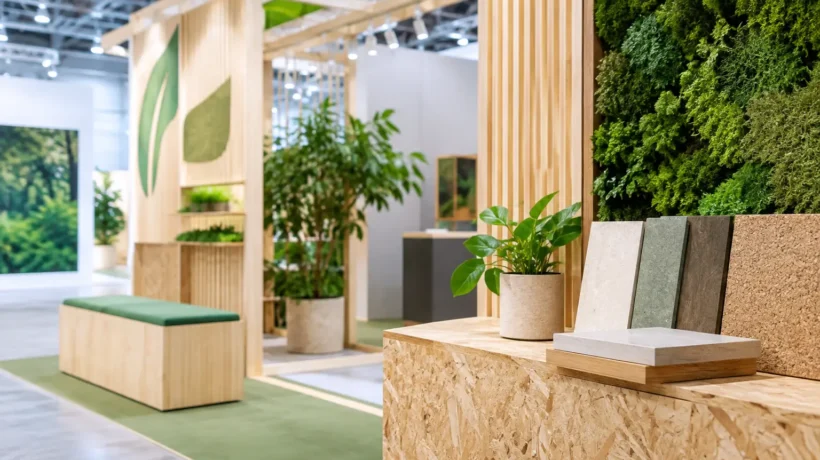
A trade show exhibit is often designed for a few intense days, then packed, stored, shipped, revised, and used again. That full lifecycle is why sustainable exhibit materials trends deserve more than a passing mention in a design brief. For marketing and event teams, the goal is not simply to use a material labeled green. It is to create a high-impact physical environment that supports brand objectives while reducing avoidable waste, freight, replacement costs, and operational friction.
The strongest sustainability decisions are rarely visible to attendees. They show up in a booth that adapts to multiple footprints, graphics that can be refreshed without replacing the structure, and components that arrive protected, organized, and ready to install. This is where strategically applied imagination matters: environmental considerations should expand what an exhibit can do, not make the experience feel compromised.
Sustainable Exhibit Materials Trends Are Becoming Systems
The biggest shift is away from one-time material choices and toward reusable exhibit systems. A wall panel may be recyclable, but its real value depends on how many events it serves, how easily it can be repaired, and whether it fits future layouts. A carefully designed modular structure can have a lower practical impact than a disposable build made from nominally recycled materials.
For organizations with a recurring event calendar, modular frames, interchangeable graphic skins, standardized counters, and adaptable storage solutions create a more useful asset base. The same core environment can support a 10-by-10 booth, a larger island exhibit, a customer event, or a corporate interior activation. That flexibility protects the initial investment while helping teams maintain a consistent presence across markets.
Rental inventory also plays an important role. Renting structural elements, furnishings, lighting, and accessories can prevent a single-use purchase while still delivering a tailored experience. It is especially practical for occasional exhibitors, companies testing a new event, or teams facing an international or regional program where ownership creates unnecessary storage and freight demands.
Materials That Are Gaining Ground
Material innovation is moving quickly, but the most useful options still need to meet the demands of a live event environment. They must look polished under exhibit hall lighting, withstand shipping and handling, meet venue requirements, and support the design concept.
Recycled and recyclable aluminum structures
Aluminum extrusion systems remain a practical foundation for many sustainable exhibit programs. They are durable, lightweight relative to many traditional construction materials, and well suited to reconfiguration. The sustainability advantage comes from repeated use first, with recyclability providing a responsible end-of-life path when components are eventually retired.
Not every concept should look like a standard modular booth. Custom cladding, dimensional graphics, lighting, and layered architectural details can give a reusable frame a more distinctive presence. The key is designing those visual elements to be removable or replaceable instead of permanently bonded to the structure.
Fabric graphics and tension systems
Dye-sublimated fabric graphics are increasingly favored because they are lightweight, pack efficiently, and can be used across a range of structures. Compared with rigid graphic panels, fabric can reduce shipping volume and make graphic changes easier to manage. It also enables large-scale visual moments without adding excessive weight to the exhibit.
There are trade-offs. Fabric is not automatically the right answer for every application. High-touch surfaces, freestanding product displays, and certain architectural details may require more rigid materials. Teams should also ask how graphics will be cleaned, repaired, stored, and eventually recycled, since available recovery options vary by fabric composition and local provider.
Lower-impact rigid substrates
Rigid graphics and architectural surfaces are evolving beyond traditional foam board and PVC-heavy applications. Recycled-content boards, paper-based honeycomb panels, responsibly sourced plywood, and reusable hard panels can offer better options depending on the need. These materials are especially effective for temporary walls, branded counters, signage, and decorative elements where texture or dimensionality matters.
The right choice depends on durability, finish quality, fire ratings, installation method, and intended reuse. A paper-based panel may be a strong choice for a short-term interior display but a poor match for a high-traffic exhibit that will travel through a full annual schedule. Sustainability is contextual, not a single material scorecard.
Finishes with fewer permanent connections
Designers are placing greater emphasis on mechanical fastening, replaceable wraps, removable panels, and modular joinery. These details make it easier to repair a damaged section, update messaging, or separate materials at end of life. By contrast, permanent adhesives and mixed-material assemblies can make even otherwise recyclable components difficult to recover.
This approach also supports faster event changes. A campaign can evolve without forcing a full rebuild, and teams can replace only the elements that no longer serve the message.
Design for Reuse Before Choosing Materials
A sustainability conversation should begin with the event program, not a sample book. Before committing to finishes, determine where the exhibit needs to travel, how often it will be deployed, who will install it, and which elements must change from show to show. These answers influence material choices far more than a general preference for recycled content.
A practical selection process weighs four connected factors:
- Reuse potential: Can the component serve multiple events, footprints, or campaigns?
- Freight efficiency: Does its weight, packing method, and volume reduce transportation burden and cost?
- Repairability: Can a damaged graphic, panel, or fixture be replaced without discarding a larger assembly?
- End-of-life planning: Can the material be reused, donated, recycled, or responsibly disposed of in the markets where it will be used?
These factors can occasionally conflict. A very lightweight material may not last through repeated deployments. A highly durable item may require more energy to transport. A locally sourced custom feature may have a smaller freight footprint for one event but little reuse value afterward. Strong exhibit planning makes those trade-offs visible early, then aligns the decision with business goals.
Freight, Storage, and Asset Management Matter More Than Expected
A beautiful exhibit can lose much of its sustainability value when it ships inefficiently or disappears into unorganized storage after each show. Crating, packing plans, shipping routes, and inventory management are part of the material strategy.
Right-sized, reusable crates protect assets and reduce replacement caused by damage. Clear packing diagrams and labeled components shorten installation time, which can reduce labor pressure on the show floor. Centralized asset management helps teams know what they own, what condition it is in, and whether existing elements can be redeployed before new production is approved.
This is also where event managers see a direct operational payoff. Instead of rebuilding because a team cannot locate an older display, they can make informed decisions about refreshing, renting, repairing, or reconfiguring. The result is a program that is easier to manage and more consistent from one market to the next.
Avoid the “Eco” Add-On Approach
A bamboo accent or recycled-content sign does not make an exhibit sustainable if the overall build is destined for disposal. Sustainability works best when it is integrated into the creative and operational concept from the beginning.
Be cautious of broad environmental claims without specifics. Ask suppliers what percentage of recycled content is present, whether the material can be recovered in your likely event locations, how long it is expected to last, and what happens when it is removed from service. Certifications and material documentation can be helpful, but they should support a practical deployment plan rather than replace one.
It is equally important not to let sustainability flatten the creative idea. Attendees still respond to clear messaging, strong sightlines, engaging demonstrations, hospitality, and a space that feels unmistakably aligned with the brand. The most successful environmentally conscious exhibits make those moments possible with fewer disposable decisions behind the scenes.
Build a More Flexible Event Program
For many B2B organizations, the next step is not an immediate full exhibit replacement. It may be a graphic refresh strategy, a rental plan for irregular shows, a storage audit, or a redesign of the components that create the most waste. FrontLine Exhibits helps clients connect those decisions across design, production, logistics, and ongoing support so that sustainability does not become another administrative burden for an already busy event team.
The best material choice is the one that performs beautifully in the room, supports the campaign after the show closes, and gives your team more options for what comes next. Start there, and each event can leave behind a stronger asset base instead of another pile of decisions to repeat.