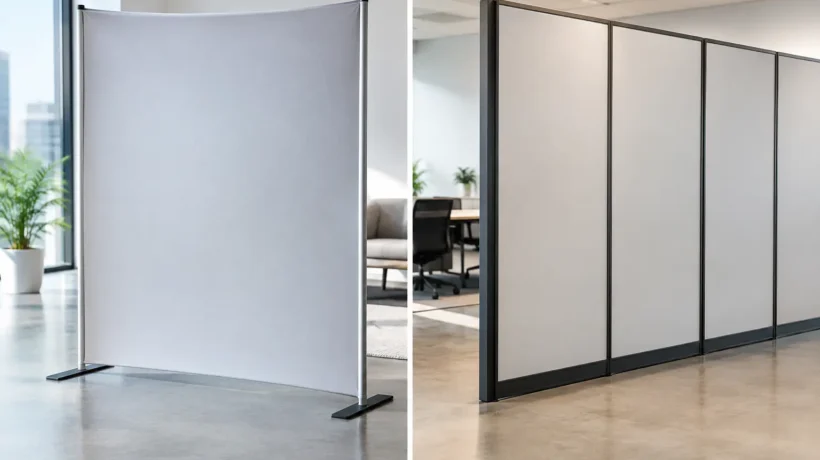
A 20-by-20 booth can make a very different impression depending on what forms its walls. One may feel light, open, and graphic-forward. Another may feel architectural, tactile, and built for private conversations. In the decision between tension fabric versus rigid panels, neither material is inherently better. The right choice depends on the story your brand needs to tell, the event environment, and how much operational flexibility your team needs after the show floor closes.
For marketing and event teams, this is not simply a production decision. Your exhibit structure affects shipping, installation time, graphic updates, storage, durability, and the kind of visitor experience you can create. A strong exhibit strategy starts by matching the physical system to the business objective rather than selecting materials based on a single booth rendering.
Tension Fabric Versus Rigid Panels: The Core Difference
Tension fabric systems use printed textile graphics stretched across lightweight aluminum frames. The result is a clean, continuous visual field with minimal visible structure. These systems can range from simple backwalls and counters to expansive, custom-shaped environments with towers, overhead elements, storage rooms, and integrated workstations.
Rigid panels are hard-surface components, often finished with printed graphics, dimensional materials, paint, laminate, acrylic, wood accents, or other architectural treatments. They can create walls, kiosks, product displays, enclosed meeting spaces, and layered environments that feel more permanent and substantial.
The distinction matters because fabric is often strongest when your priority is scale, portability, and visual efficiency. Rigid panels are often strongest when the environment needs material depth, structural support, or a more built-in presence. Many effective exhibits use both, allowing each material to do the work it does best.
When Tension Fabric Makes Strategic Sense
Tension fabric is a strong fit for organizations that need polished visibility without adding unnecessary logistical weight. A large fabric backwall can carry a brand message across a substantial footprint while packing into manageable cases. For teams exhibiting at multiple regional events, that portability can reduce shipping costs and simplify storage between programs.
Fabric also gives designers freedom to work at a larger visual scale. A high-resolution graphic can extend across a wall, curve around a space, or create a bold branded canopy without the seams and interruptions common to smaller hard-panel graphics. For a product launch, campaign-driven booth, or rental exhibit, that visual continuity can make the message easier to absorb from the aisle.
Graphics are easier to refresh
If your campaign, messaging, product imagery, or visual identity changes frequently, fabric offers an efficient path for updates. The frame can remain in the asset inventory while replacement graphics are produced for the next event. This approach can be particularly useful for field marketing teams that want a consistent footprint while tailoring the message by audience, industry, or region.
That flexibility comes with a practical consideration: fabric graphics need careful handling. They should be packed cleanly, installed with trained hands, and stored properly to preserve their finish. Wrinkles, stains, or an improperly tensioned graphic can weaken an otherwise polished presentation.
Fabric supports fast-moving programs
For events with compressed move-in schedules, fabric systems can help reduce installation complexity. Many frames use numbered components or tool-free connections, and graphics are designed to fit a specific structure. This can shorten setup time compared with a fully custom hard-wall build, especially when the booth is designed with repeatable assembly in mind.
That does not mean every fabric exhibit is simple. Multi-level structures, large hanging signs, integrated lighting, storage rooms, and custom curves still require planning, labor coordination, and freight management. The advantage is that the system can deliver considerable visual impact with less structural mass.
Where Rigid Panels Create More Value
Rigid panels become compelling when a brand needs the space to feel less like a display and more like an environment. Their hard surfaces support dimensional treatments, shelving, product mounts, monitor integrations, and doors. They also create a stronger sense of separation between public demonstrations and private conversations.
For a technology company presenting equipment, a manufacturer showcasing physical components, or a professional services firm hosting scheduled meetings, rigid construction can create the structure the experience demands. It provides an opportunity to introduce textures and finishes that reinforce brand positioning, from polished acrylic and illuminated signage to warm wood tones and refined architectural details.
Rigid systems can carry heavier experiences
A fabric wall can be engineered to support certain accessories, but it is not the best answer for every physical requirement. If the exhibit must hold heavy products, substantial shelving, secure displays, large monitors, or cabinetry, rigid panels usually provide a more reliable foundation.
This is also true when privacy matters. Rigid walls can better support enclosed meeting rooms, sound-mitigating spaces, and back-of-house storage. Those features can improve the working experience for sales teams and give visitors a quieter place to have meaningful conversations away from the aisle.
The trade-off is operational weight
More architectural presence usually means more logistics. Rigid panels can require greater freight volume, more warehouse handling, additional installation labor, and closer attention to damage prevention. A custom panel system may be an excellent long-term asset, but its value depends on whether your event schedule and budget can support its operational demands.
For a flagship annual show, that investment may be justified. For a team attending several smaller events with changing footprints, a rigid environment may be more than the program needs. The right answer depends on how consistently you can use the asset and how easily it can adapt to future booth sizes.
Compare the Full Cost, Not Just the Build Price
A low initial price does not always lead to the lowest program cost. Tension fabric may reduce freight and storage expenses, but frequent graphic changes can add ongoing production costs. Rigid panels may cost more to build and ship, yet their durable structure can provide years of use when the brand architecture remains consistent.
Look at the full life cycle: design, fabrication, graphic production, drayage, shipping, installation and dismantle, storage, repairs, and updates. Then consider the internal time required to coordinate each element. A system that appears economical on paper may become expensive if it creates excessive work for a lean marketing team.
This is where rental options can be especially useful. A rental-based fabric or panel environment can give an organization premium presence for an infrequent event without the responsibility of owning, storing, and maintaining every component. It can also let a team test a new exhibit direction before committing to a longer-term asset strategy.
Design for the Visitor Journey
Material selection should follow the way you want visitors to move, engage, and remember the space. If the primary goal is broad brand awareness, large fabric graphics may create the clearest visual signal from across the floor. If the objective is product interaction or confidential sales conversations, rigid elements may better support the experience.
The strongest concepts often mix the two. A fabric tower can draw attention from the aisle, while rigid panels frame a demonstration zone or meeting area. Fabric graphics can refresh a campaign message, while hard-surface counters and storage remain stable assets across multiple events. This hybrid approach creates room for imagination without sacrificing practical performance.
Ask the questions that shape the right system
Before approving a design, align the materials with a few operational realities. How often will the exhibit travel? Will the booth need to scale between a 10-by-20 and a 20-by-30 footprint? Are products, monitors, or private meeting spaces central to the experience? How frequently will messaging change? And who will manage shipping, installation, storage, and ongoing maintenance?
Clear answers prevent a common mistake: designing a show-stopping booth that becomes difficult to deploy consistently. The best exhibit is not only impressive on opening morning. It should also be realistic to transport, install, update, and use confidently across the full event program.
A well-chosen material system turns your exhibit from a one-time visual statement into a working marketing asset. Start with the conversations you need to create on the show floor, then build the physical environment that makes those conversations easier to begin.