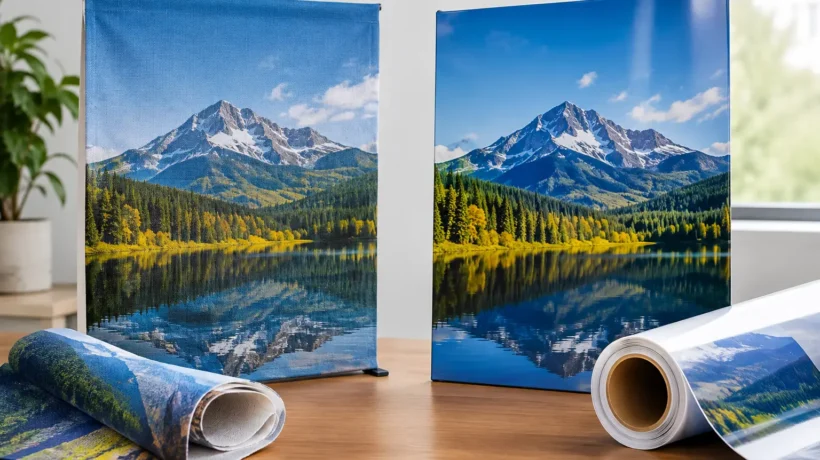
A graphic surface can change the entire read of an exhibit before a visitor sees a product, meets the team, or hears the first sales message. When comparing fabric graphics versus vinyl graphics, the decision is not simply about appearance. It affects shipping, installation, lighting, durability, storage, cleaning, and how confidently your brand can show up across a full event program.
For a single event, either material may be the right fit. For an exhibit program spanning multiple shows, retail activations, or corporate environments, the better choice depends on where the graphic will live and what it must accomplish. The strongest environments pair imaginative visual concepts with practical material decisions from the start.
Fabric Graphics Versus Vinyl Graphics: The Core Difference
Fabric graphics are typically printed on polyester-based textiles using dye-sublimation or similar processes. The ink becomes part of the material, creating rich color and a soft, low-glare finish. They are commonly used for tension-fabric backwalls, pillowcase displays, hanging signs, fabric frames, SEG systems, and lightweight portable exhibits.
Vinyl graphics are printed onto adhesive vinyl, banner vinyl, wall film, rigid-panel wraps, or other vinyl-based substrates. Depending on the application, they may be laminated for added protection and installed directly onto walls, windows, floors, counters, panels, vehicles, or exhibit structures. Vinyl is often selected when a graphic needs to adhere to a surface or withstand demanding environments.
Neither is automatically more premium. A large fabric backdrop can create a refined, architectural presence, while a carefully installed vinyl wall graphic can deliver crisp detail and a fully branded environment. The material should support the design intent and operational requirements, not dictate them.
Where Fabric Graphics Create an Advantage
Fabric is a natural fit for exhibitors who want a polished, dimensional presentation without the weight and visual shine associated with some traditional graphic materials. Under trade show lighting, its matte surface can reduce reflections, helping photography, product imagery, and messaging stay legible from more angles.
A polished look for displays and backwalls
Tension fabric creates clean, uninterrupted visual fields. It can wrap around frames, stretch across curves, or form a seamless backdrop that feels more like part of the architecture than a banner attached to it. This is especially valuable when the goal is to create an inviting brand environment rather than a collection of display components.
Fabric also works well for illuminated frames. When properly specified, backlit fabric can make color and imagery feel more vivid while keeping the display surface smooth and consistent. For brands competing for attention in a busy exhibit hall, that controlled visual presence can make a meaningful difference.
Easier shipping and reuse
Most fabric graphics fold compactly and weigh less than many rigid or vinyl-based graphic solutions. That can simplify freight planning, reduce drayage exposure, and make storage more manageable for recurring event programs. A pillowcase fabric graphic can often be removed from its frame, packed into a protective case, and reused at the next stop.
This does not mean fabric is maintenance-free. It should be packed dry and clean, protected from snags, and handled carefully around hardware. But for programs that need an efficient visual system across several events, fabric often offers an appealing balance of impact and portability.
Better for temporary, adaptable exhibit systems
If your booth needs to evolve by show size, fabric is particularly useful. A rental exhibit, modular frame system, or portable environment can accept different fabric skins as campaigns change. That enables an organization to refresh messaging or support new product launches without rebuilding the entire structure.
For companies with limited internal event staff, this flexibility can reduce administrative burden. The display components remain organized, while the graphic layer can change as strategy changes.
When Vinyl Graphics Are the Better Tool
Vinyl excels when the challenge is less about creating a soft exhibit surface and more about transforming a physical surface already in place. It is a highly adaptable choice for environments that require adhesion, contouring, weather resistance, or precise graphic application.
Surface coverage and environmental durability
Vinyl can be applied to walls, glass, floors, counters, kiosks, doors, panels, and exterior structures. It is often the more practical route for retail campaigns, office branding, sponsorship activations, directional signage, and temporary event takeovers where the graphic must integrate with a built environment.
With the right film, laminate, adhesive, and installation method, vinyl can perform well in high-touch or high-traffic settings. Floor graphics, for example, require appropriate slip resistance. Exterior graphics require materials selected for sun, rain, wind, temperature changes, and the expected duration of use. These requirements matter as much as the printed design.
Fine detail and opaque coverage
Vinyl can deliver sharp text, detailed imagery, and strong opacity, particularly when paired with rigid panels or applied over existing surfaces. If a display needs an exact color block, a precision-cut logo, or a complete transformation of a branded counter, vinyl may offer more control than fabric.
It is also useful when an existing exhibit structure remains in service but needs a visual refresh. New vinyl graphics on panels or architectural elements can extend the usable life of an asset while bringing the environment in line with a current campaign.
A practical option for certain budgets
The cost conversation is more nuanced than “fabric costs more” or “vinyl is cheaper.” A simple vinyl decal may cost less than a custom fabric graphic and frame. But a large vinyl banner, a fully wrapped structure, or an installation requiring extensive onsite labor may cost more than anticipated.
Fabric systems can carry higher upfront costs when frames, lightboxes, or custom construction are involved. Yet those systems may create efficiency over time when the hardware is reused and only the graphic skins change. The most useful comparison considers the total program cost: production, labor, shipping, installation, storage, replacement, and expected reuse.
Compare Performance Before You Compare Price
For trade show and event teams, material selection should begin with a few practical questions. How often will the graphic be used? Is it traveling by freight, shipping by parcel, or installed at a fixed location? Will people touch it? Does it need to attach to an existing surface? Is the space brightly lit, outdoors, or subject to glare?
Fabric generally favors portable structures, tension-frame systems, soft visual finishes, and reusable exhibit graphics. Vinyl generally favors surface applications, high-contact zones, rigid display panels, wayfinding, and installations requiring adhesion or stronger environmental protection.
There are also important exceptions. Fabric can work beautifully in corporate interiors, especially in acoustic applications or framed graphic systems. Vinyl can be highly effective in exhibits, particularly for counters, product pedestals, and branded panels. The right answer may be a combination: fabric for the primary backwall and overhead presence, vinyl for product messaging, counters, floor navigation, and high-touch details.
Installation and Handling Change the Outcome
Even a well-designed graphic can lose impact when installation is rushed or its material is mismatched to the venue. Fabric needs even tension, clean frames, and careful alignment to prevent wrinkles or uneven seams. Vinyl needs proper surface preparation, accurate placement, and an installation plan that accounts for wall texture, temperature, adhesive cure time, and removal requirements.
This is where event logistics and design decisions need to work together. A last-minute venue change, a difficult load-in, or a restrictive installation window can influence which material is most reliable. A graphic strategy should account for those realities before production begins, not after crates arrive onsite.
For multi-location programs, consistency matters just as much. Color management, documented installation standards, packing instructions, and asset tracking help ensure that the brand experience in Richmond feels as intentional as the one in Washington, D.C., South Florida, or anywhere else the program travels.
Choose Based on the Experience You Need to Create
Choose fabric when your priority is a refined exhibit presence, reduced glare, lightweight shipping, or an adaptable frame-and-skin system. Choose vinyl when you need adhesion, surface transformation, durable high-touch coverage, precise cut elements, or an application that must perform in more demanding conditions.
If the environment needs both a strong visual centerpiece and practical branded details, use each material where it performs best. That approach avoids forcing one graphic type to solve every problem and gives the finished space a more considered feel.
The most effective branded environments do not begin with a material sample. They begin with the audience you need to reach, the action you want them to take, and the operational realities that determine whether the experience arrives looking as good as it did in the concept phase. When those details are planned together, graphics become more than decoration. They become part of the presence your team can rely on.